


12 Golden Tips to Save Water
Our daily habits, both at home and at work, can lead to the waste of water and energy resources. However, it is possible to protect both our environment and our budget by saving with simple steps. Let’s adopt a sustainable lifestyle today and leave a more livable world for future generations!
So, how can you reduce your daily water consumption? Here are 12 golden water-saving tips for you ↓

1) Cut Water Bills by Half, Install Faucet Savers!
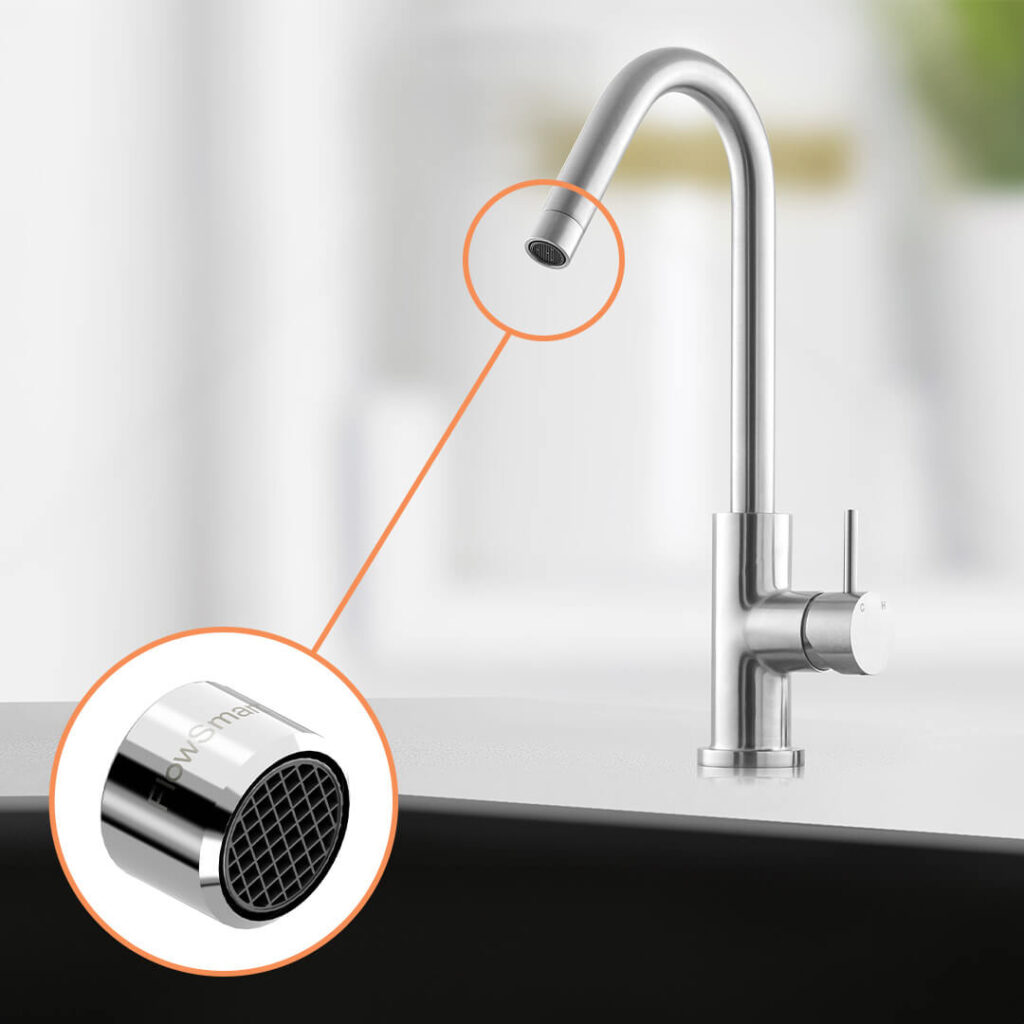
Reduce your water consumption by installing water-saving aerators on your faucets. These small yet effective devices can cut your water usage in half, helping you conserve precious water resources and save money on your water bills.
2) Install Water-Saving Aerators on Kitchen Faucets
Do you waste water in your kitchen? Without knowing it, you might waste liters of water when washing dishes, fruits, and vegetables.
But don’t worry! You can solve this problem easily with water-saving aerators. These small devices, with a flow rate of 5 liters per minute, when fitted on your kitchen faucet, cut water flow by 50%, reducing your water use and bills significantly.
3) Install a Shower Flow Regulator on Your Existing Showers
Taking a shower is a great way to relax and unwind after a long day. However, it’s also one of the biggest users of water and energy in our homes.
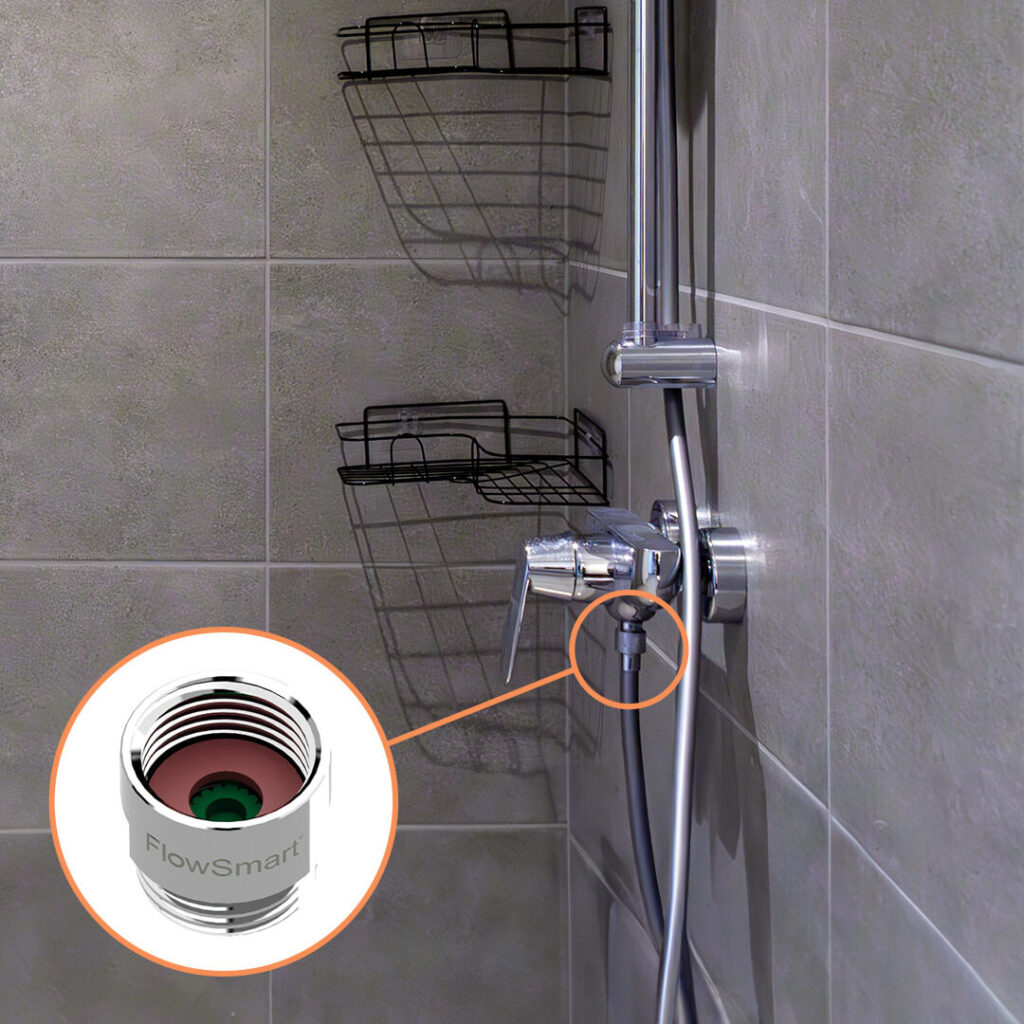
You can save water and energy by adding a shower flow regulator. These small devices attach to your showerhead and can reduce water flow by up to 50%.
4) Fix Your Leaking Faucet Immediately
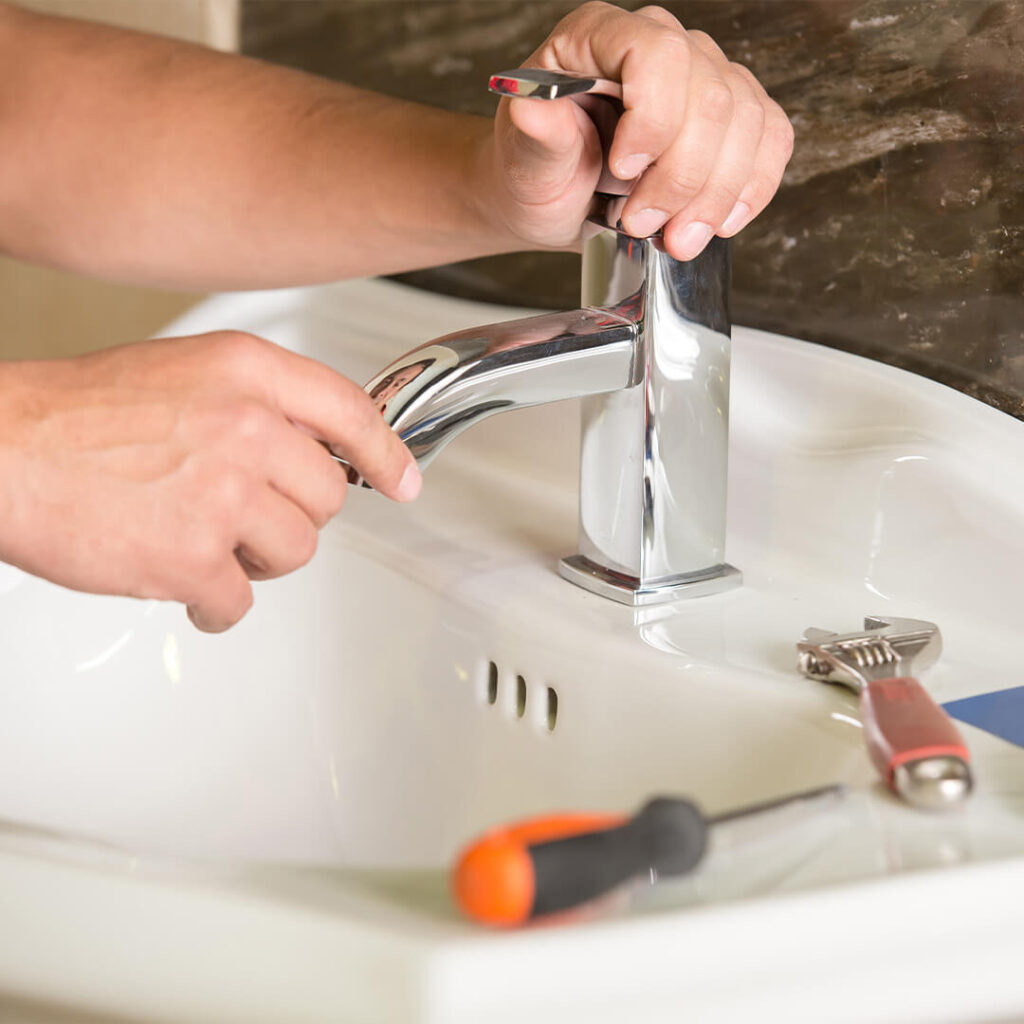
Faucets that leak even when closed or stick when turned on can waste up to 45 liters of water per day. This can significantly harm both your bills and the environment.
Don’t delay, repair it immediately! Faucet repair is simple and inexpensive. You can easily fix the problem by purchasing the necessary parts or calling a plumber.
5) Brush Your Teeth with the Tap Off
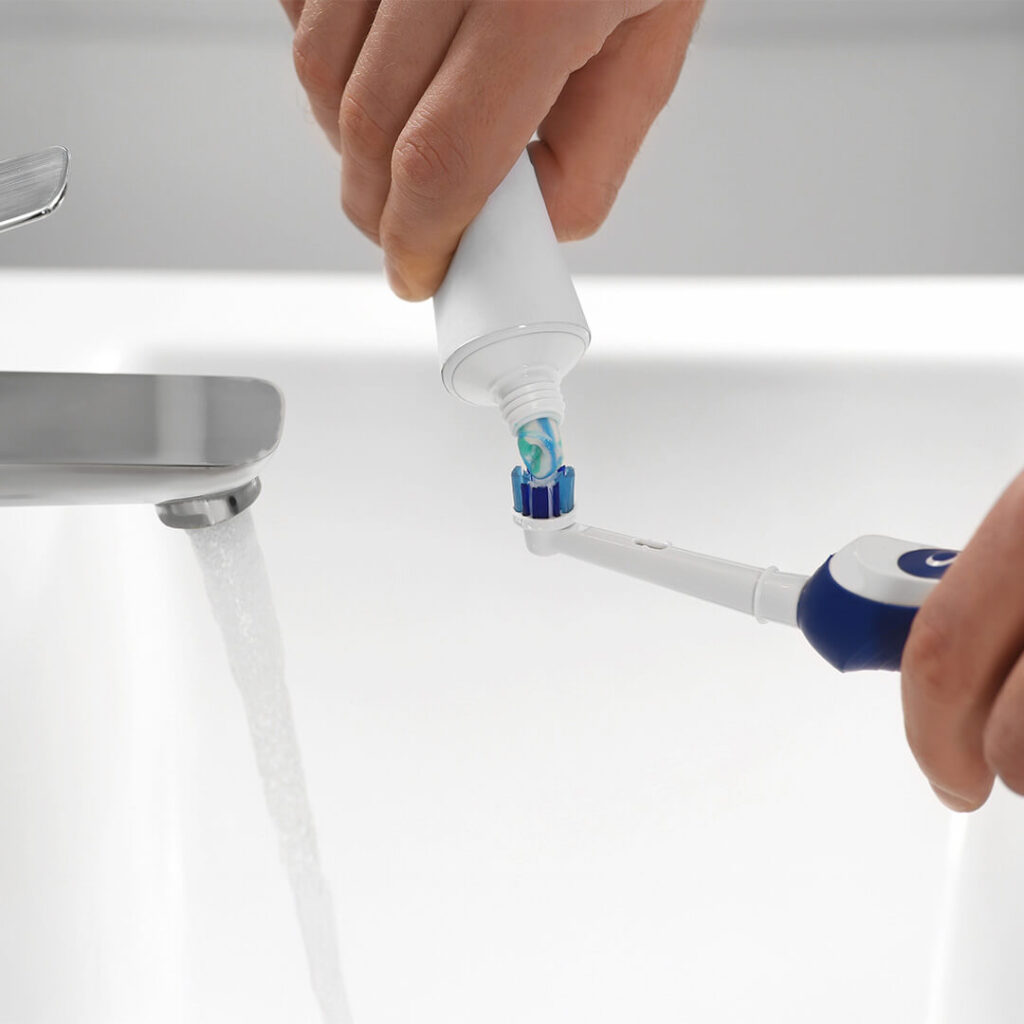
Brushing your teeth is an essential part of your oral hygiene routine. But did you know that you can also make a positive impact on the environment while you brush?
It’s as simple as turning off the tap while you brush.
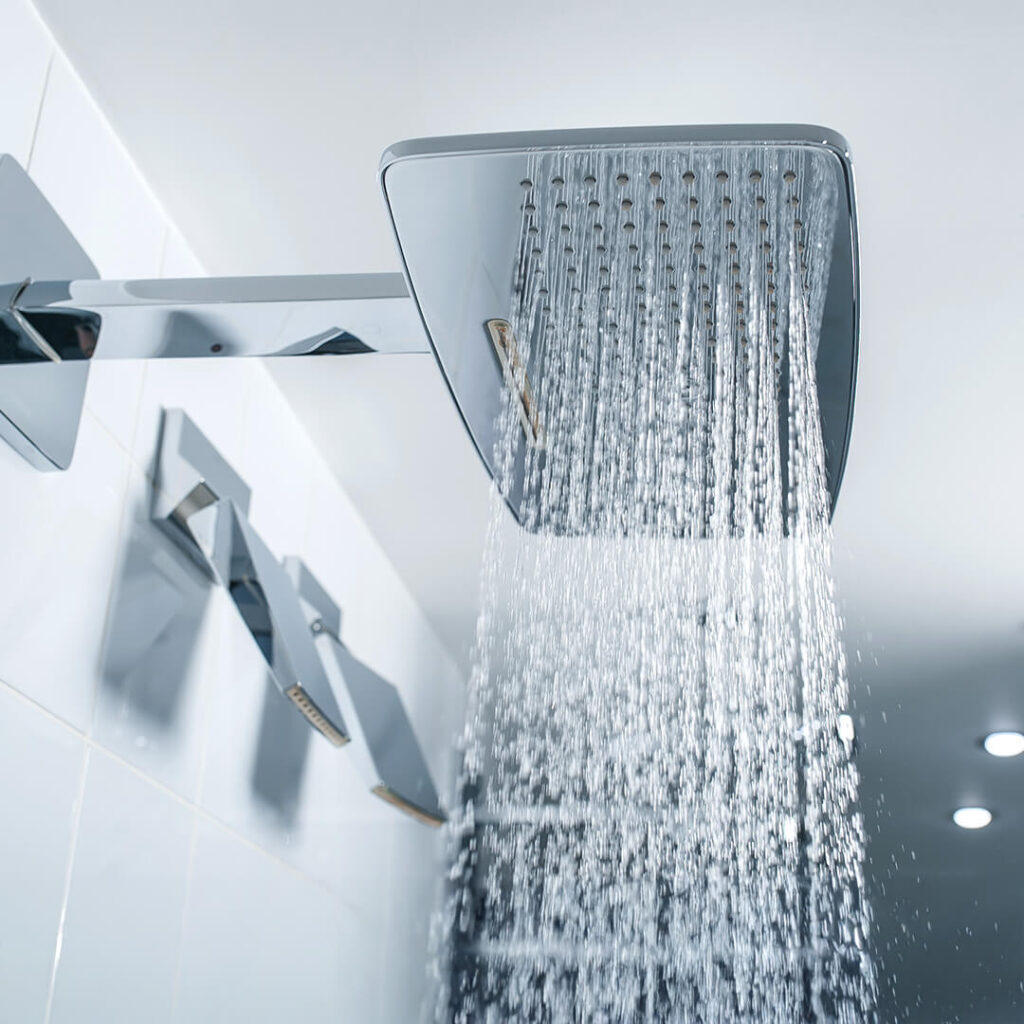
6) Choose a Shower Instead of a Bath
You can save both water and energy by opting for a shower instead of a bath. Filling a bathtub typically costs around 150 liters of water, whereas a shower uses only about 50 liters. Conserving water resources is everyone’s responsibility, and wasting natural resources can negatively impact future generations.

7) Shorten Your Shower Time
Shortening the time you spend in the shower is a simple and effective way to save water. By reducing your shower time by just one minute, you can save thousands of liters of water each year. This easy method is a small but significant contribution we can all make to conserve our water resources. Find another time to daydream and avoid wasting water.
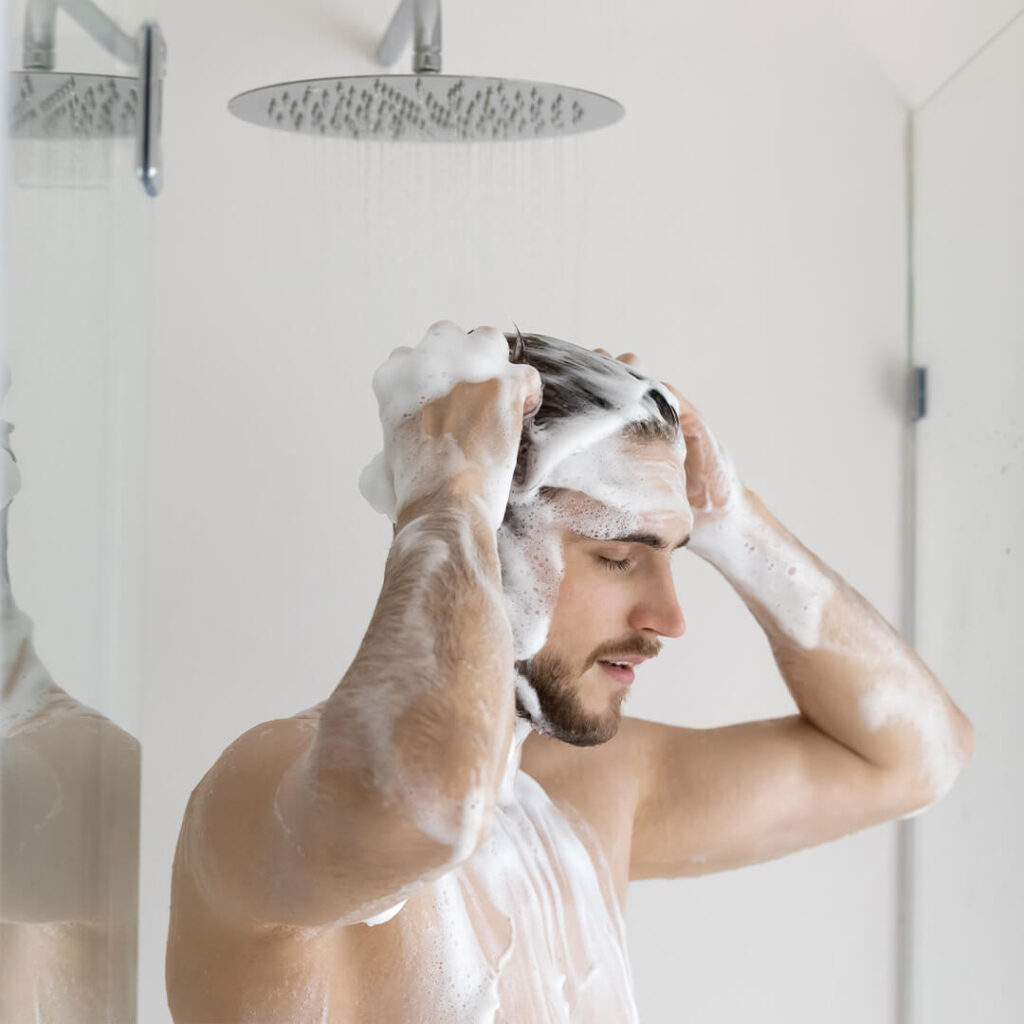
8) Turn Off the Water While Soaping
When showering, turn off the water while soaping your body or shampooing your hair. Just like when you shave or brush your teeth. By only using water during rinsing, you can significantly reduce water usage.
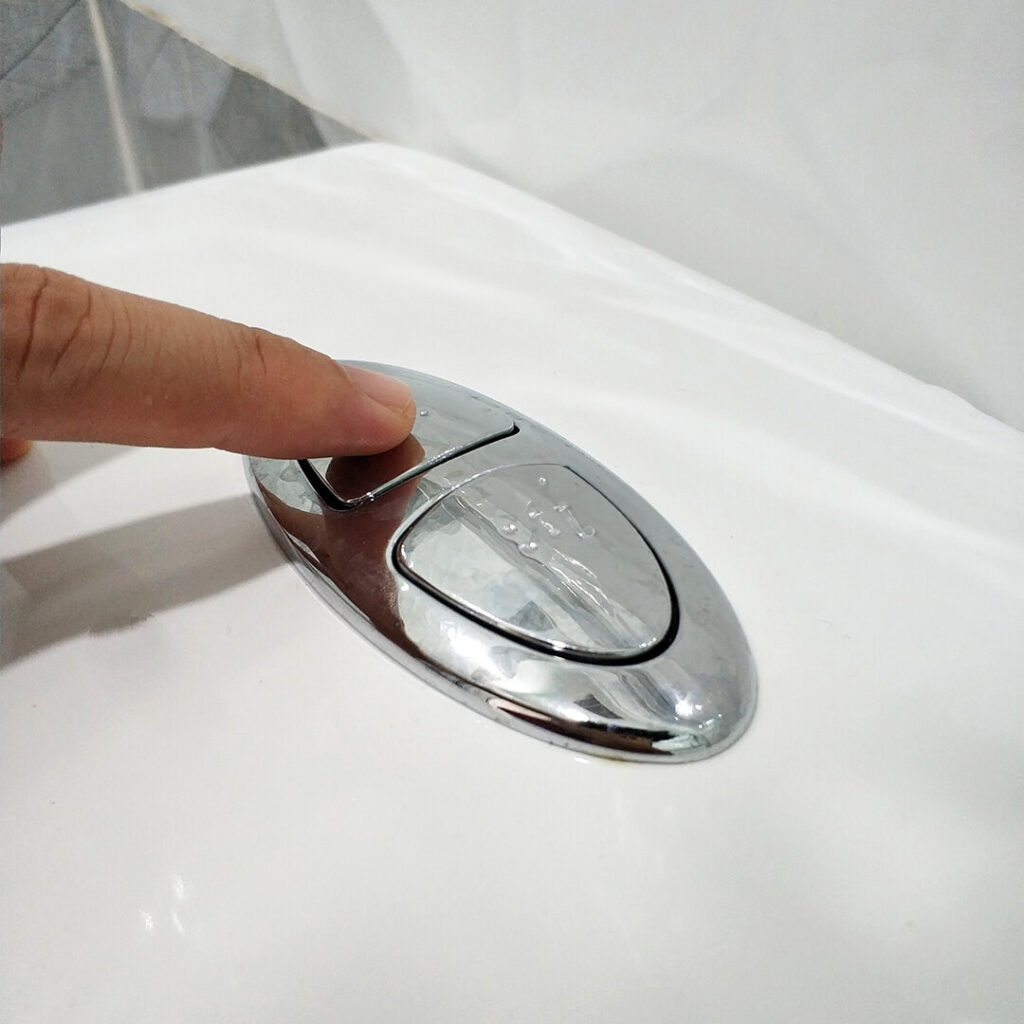
9) Opt for Dual Flush Toilets
Dual flush toilets offer water-saving benefits by allowing users to choose the amount of water used when flushing. This feature enables significant reduction in annual water consumption, contributing to the conservation of natural resources.
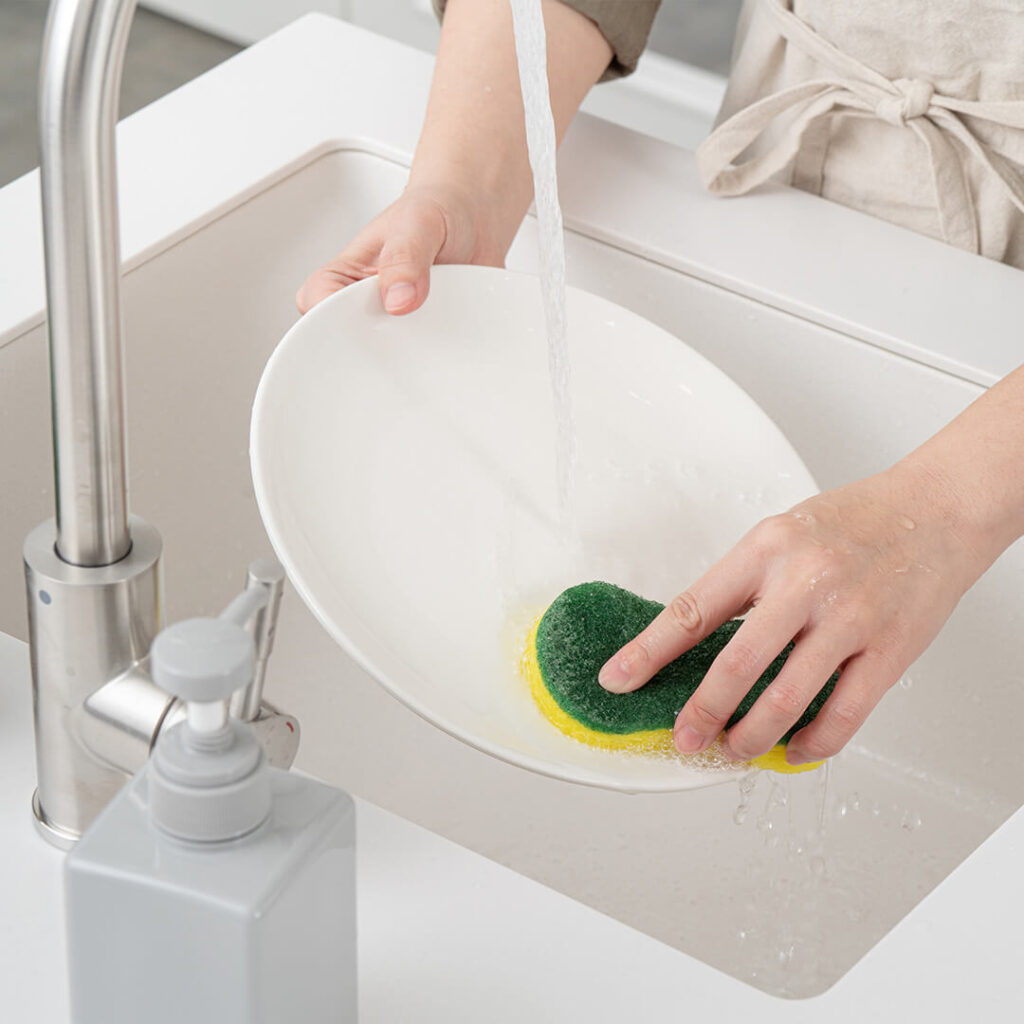
10) Avoid Washing Dishes Under Running Water
Instead of washing dishes under running water, conserve water by filling the sink or using a dish basin. These simple methods help save water and protect natural resources. Each small step contributes significantly to preserving the environment.

11) Skip Pre-Washing in the Machine
While pre-washing your laundry or dishes might seem necessary for better cleaning, modern machines can effectively clean without this step. The Eco program minimizes environmental impact while delivering high performance, making it an ideal choice for achieving fresh, clean results.

12) Choose Drip Irrigation for Your Garden
Opt for drip irrigation to water your garden, which uses up to 50% less water compared to other methods. It minimizes water loss from surface runoff and evaporation, ensuring more efficient water use. Given the decreasing water resources today, adopting drip irrigation is crucial for conserving natural resources and promoting water savings.